
Carbon monoxide warning signs—and what to do when an alarm sounds
Treat an emergency CO alarm as an emergency: get everyone outside and call 911 from there.
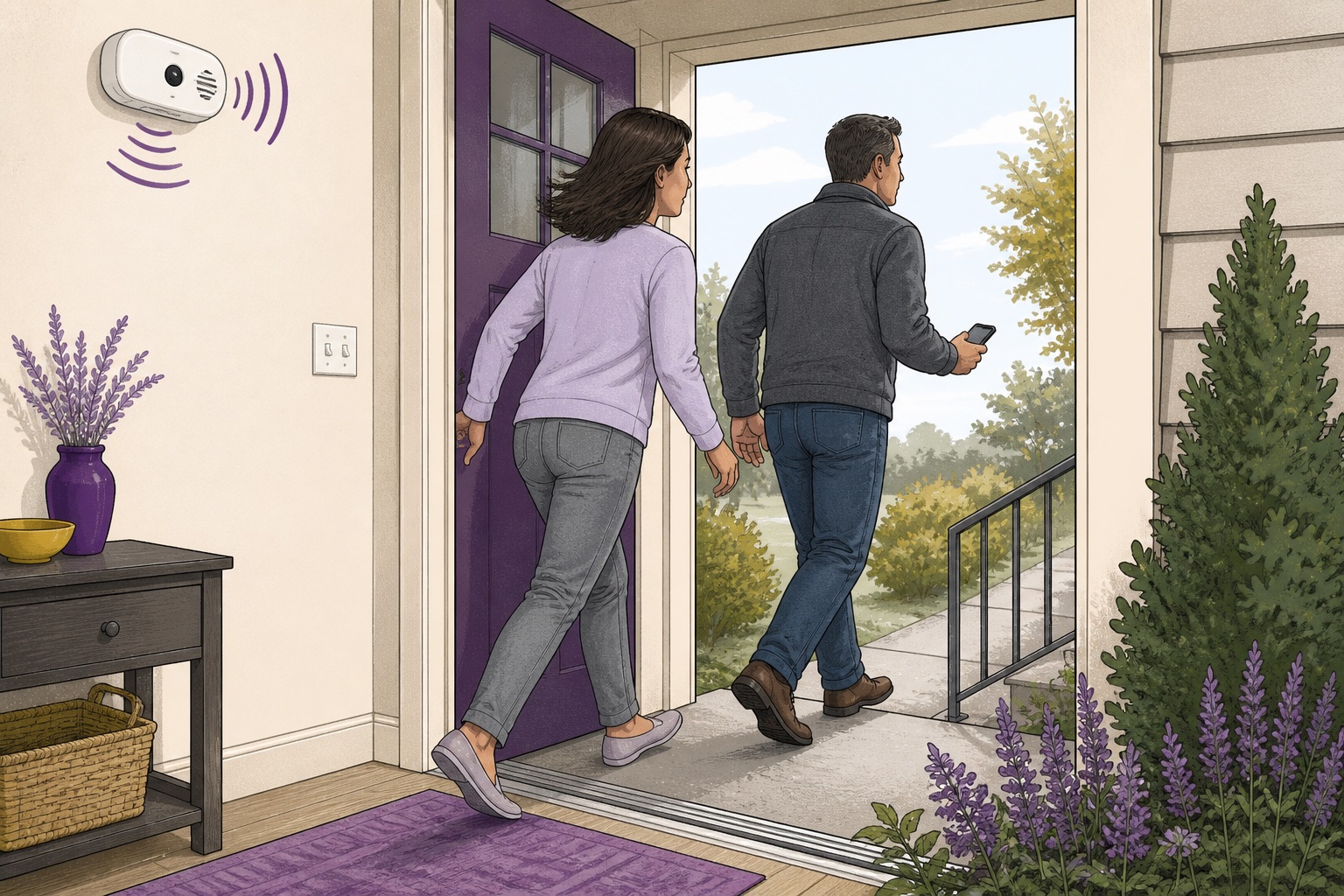
If a carbon monoxide alarm sounds its emergency signal, get everyone outside immediately and call 911 or local emergency services from outside. Do not look for the source and do not re-enter until emergency responders say it is safe.
If a CO alarm sounds, you smell gas, see smoke or believe there is an immediate danger, get everyone outside and call 911 from outside.
Possible signs of exposure
Carbon monoxide cannot be seen, smelled or tasted. Headache, dizziness, nausea, confusion, weakness and drowsiness can be signs of exposure. Symptoms can be mistaken for illness, and people may be affected differently.
An alarm is the warning to act. Do not wait for symptoms and do not silence an emergency signal to see whether it returns.
Alarm, chirp or end-of-life signal?
CO alarms use different patterns for an emergency, low battery and end of life. Learn the patterns printed on the alarm or in its manual before an emergency. If you cannot confidently identify the signal, move outside and contact emergency services.
What not to do
Do not search the house for the appliance involved. Do not open windows and remain inside. Do not restart fuel-burning equipment. Return only after emergency responders permit it and the underlying problem has been assessed and corrected professionally.
Keeping alarms ready
Ontario advises testing CO alarms monthly, replacing batteries yearly where applicable and replacing the alarm according to the manufacturer’s instructions. Never remove a battery or tamper with an alarm.